
031: Daily practices, roadside America, and experimental type
Plus a reminder to touch grass.

Graphic design, visual delights, and things worth noticing, delivered twice a month.

I’m in Arizona spending time with family, slowing down. Being so close to the border, I have found myself thinking about ICE arrests escalating to upsetting degrees across the country, making it harder and harder to take in. Immigrant detention centers have existed across administrations, but what’s happening right now is increasingly horrifying and it’s hard not to feel powerless in the face of something so bleak.
I want to share a way to help by raising funds for the Florence Project, an Arizona-based nonprofit that supports detainees with legal representation, family reunification, and help transitioning out of detention. My employer is currently matching donations 100%, so you can send me your contributions via Paypal, and I will post the receipt in the following newsletter.
Now, back to your regularly scheduled programming.

Prompt 006:
Create a dingbat typeface, with one symbol for each letter of the alphabet.
Set a timer for 30 minutes.
I imported them into Illustrator to clean them up but I ended up liking the sketchy style.1
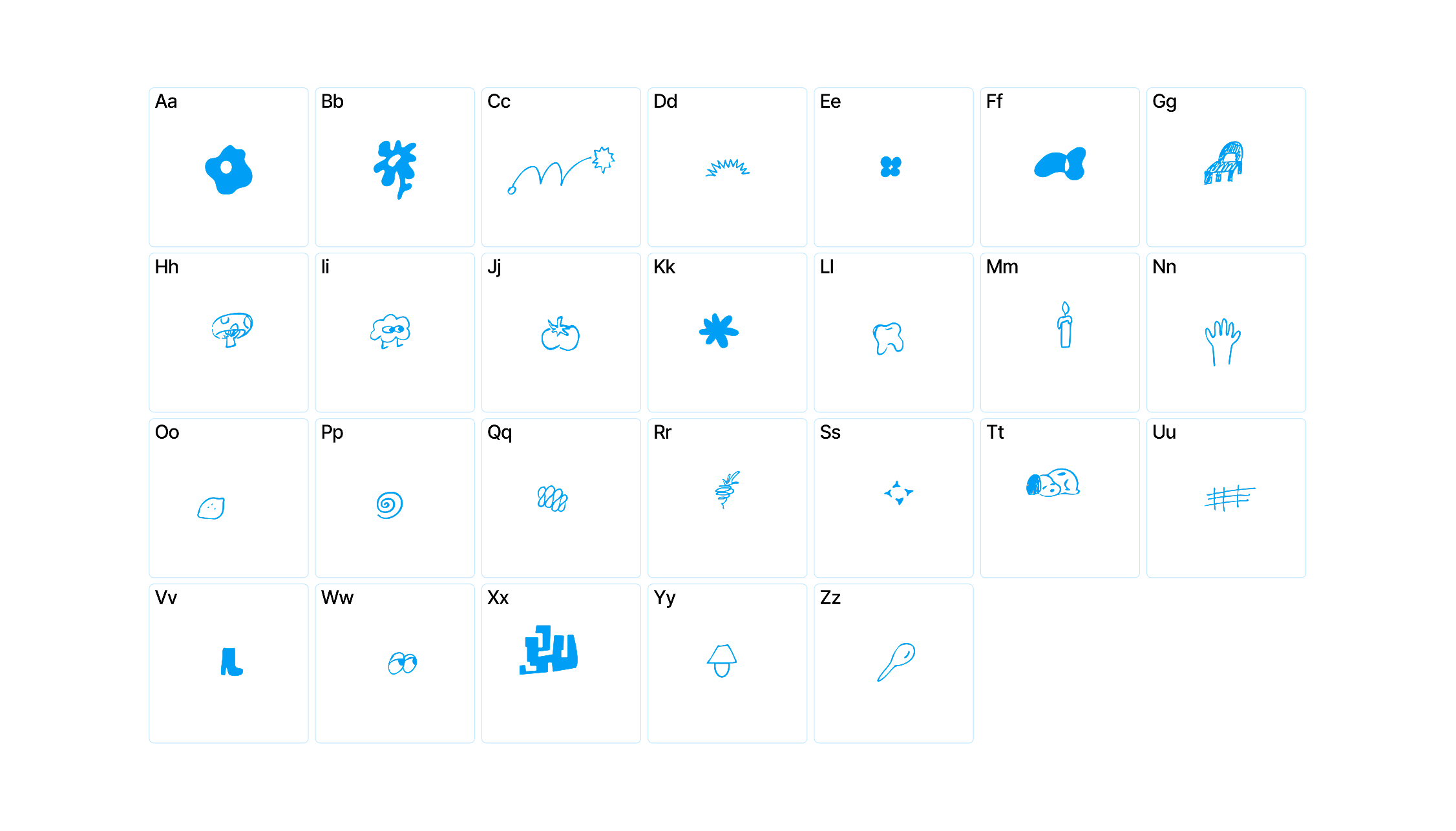
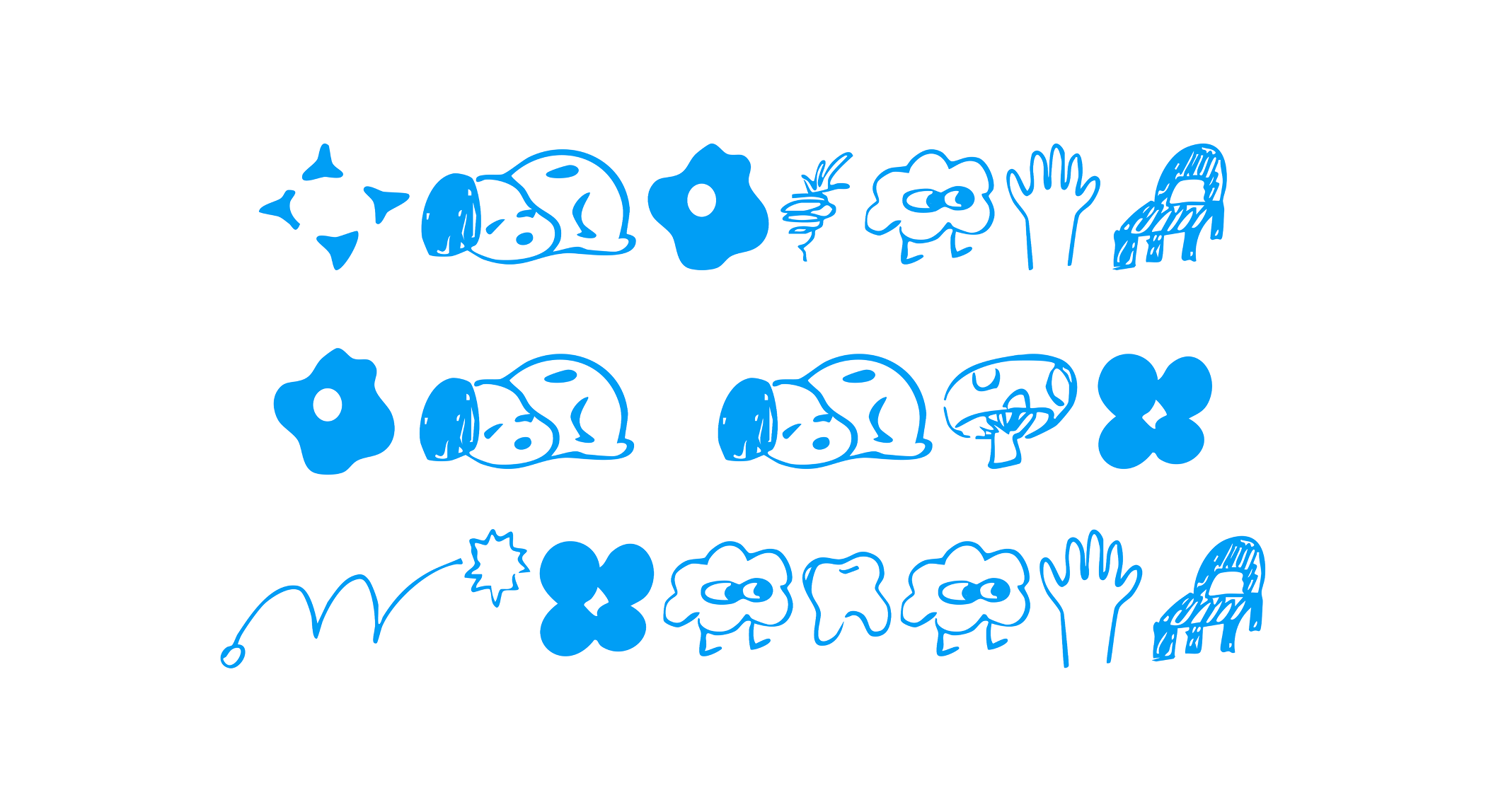
This album was recorded on a boom box on top of the artist’s piano, which gives it a warm intimate feeling. You can even hear birds chirping. Listen while you read.
🗞️ The art of dailiness by Michael Bierut
A reflection on the designer’s 100 Day Project and daily practices. He started sketching every day in the aftermath of 9/11 as a way to create grounding structure through a creative outlet. I’ve never really had a daily creative practice—and writing this newsletter might be the closest I’ve come to having one—so I have a voyeuristic fascination with how other people build and sustain theirs.
I recently went to a book event for August Thompson’s novel Anyone’s Ghost, where he and The National’s Matt Berninger spoke at length about their disparate writing processes. Thompson’s was methodical and regulated; Berninger’s slow and meandering. Both worked. It got me thinking a lot about discipline, consistency, and patience in navigating the blurry parts of creative work.
“In time, I came to see that there was a sweet spot between specificity and open-endedness. There needed to be some constraints, but it was also important that they could make a choice, however small. But even when people hemmed themselves in, even when they came to me on day 22 and said they never wanted to do their particular creative act again, I’d say, ‘Make your resistance the thing. See how that works.’”
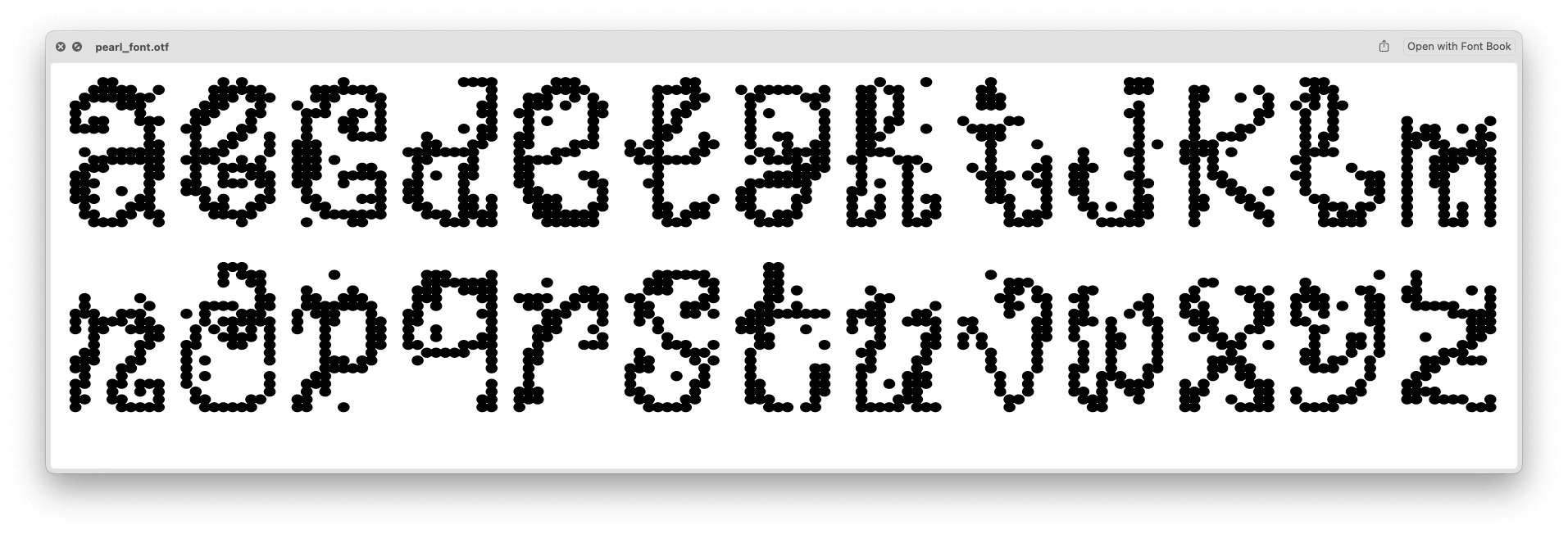
An experimental type tool where you can generate different types of grids, draw letters, and download them as a font file.
🖍️ Jupi’s brand work by How&How
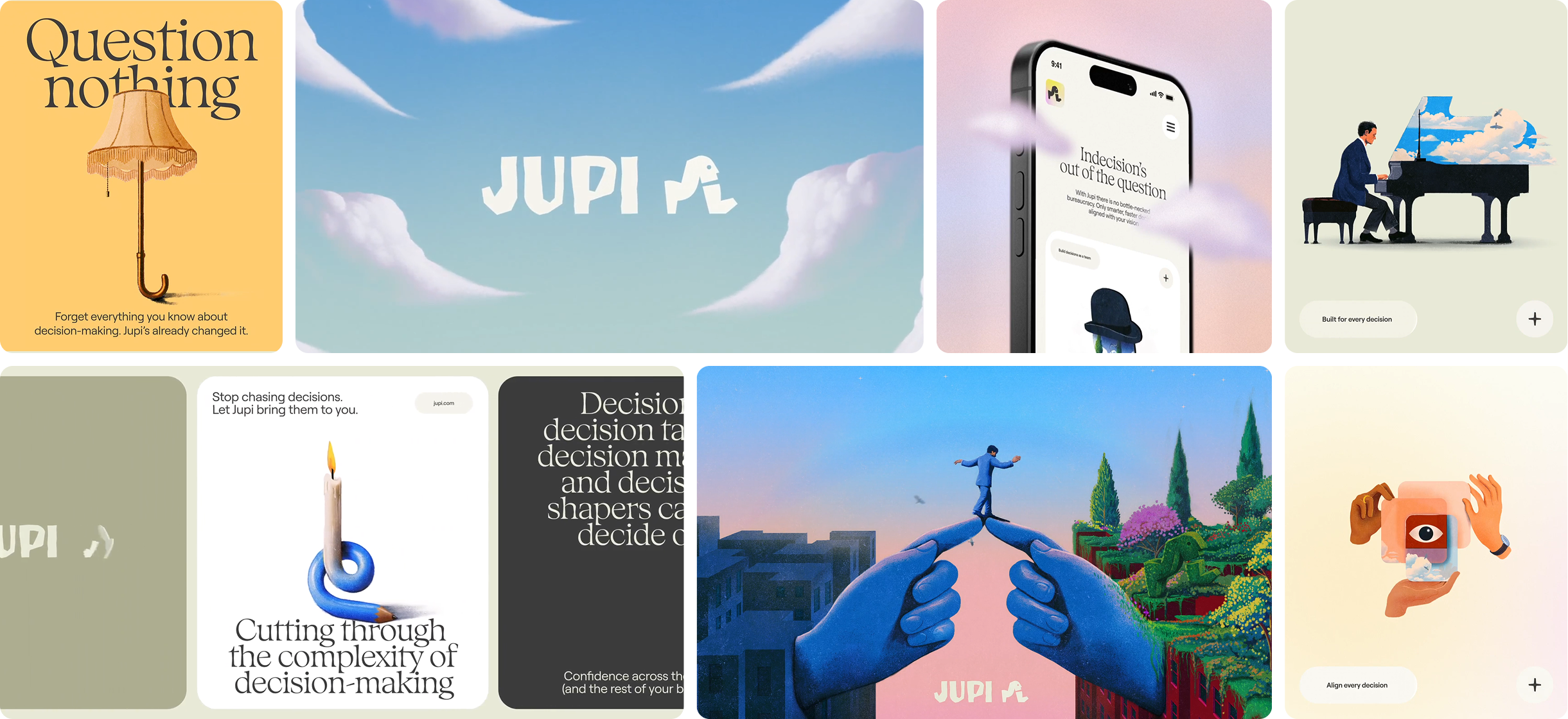
Jupi is a “decision operating system” that uses AI to optimize decision making for growing startup and it is the first AI company I’ve seen with a logo that doesn’t fall into magic spark territory.
In an early edition of Staring at the Ceiling, I noticed a typography trend I called Construction Paper Sans: bespoke, child-like paper cutout typography, playful color and texture combinations, usually only seen in the food industry. Now, with AI flattening content into sameness, there’s been a noticeable push to highlight a tangible human touch in AI powered products and their branding. See here: the surrealist illustrations by Daniel Liévano, the whimsical paper cutout logo, the cutie pie name. I think we’ll keep seeing more of this as a way to build trust in audiences in an increasingly automated landscape. As skeptical as I am about what this company probably does, I found the brand work beautiful and captivating.
Speaking of, this is a catalog of illustrations with a variety of styles and settings. Pay what you want for individual assets or whole packs.
🗞️ On artists and hopelessness by Beth Pickens
A short piece of literature that includes tender advice and practices to foster positivity and gratitude. I think cultivating hope is a lifelong endeavor that involves community, spirituality, family, art, and a myriad of other factors, but I appreciated that this guide included kind words and actionable daily exercises.
“You and your Self are going to be together for a long, long time. You will have a relationship with you for the rest of your life so why not make it a better one? By working on yourself and growing, changing, or otherwise improving your relationship to yourself, you can build the foundation to have a life with more joy and serenity.”
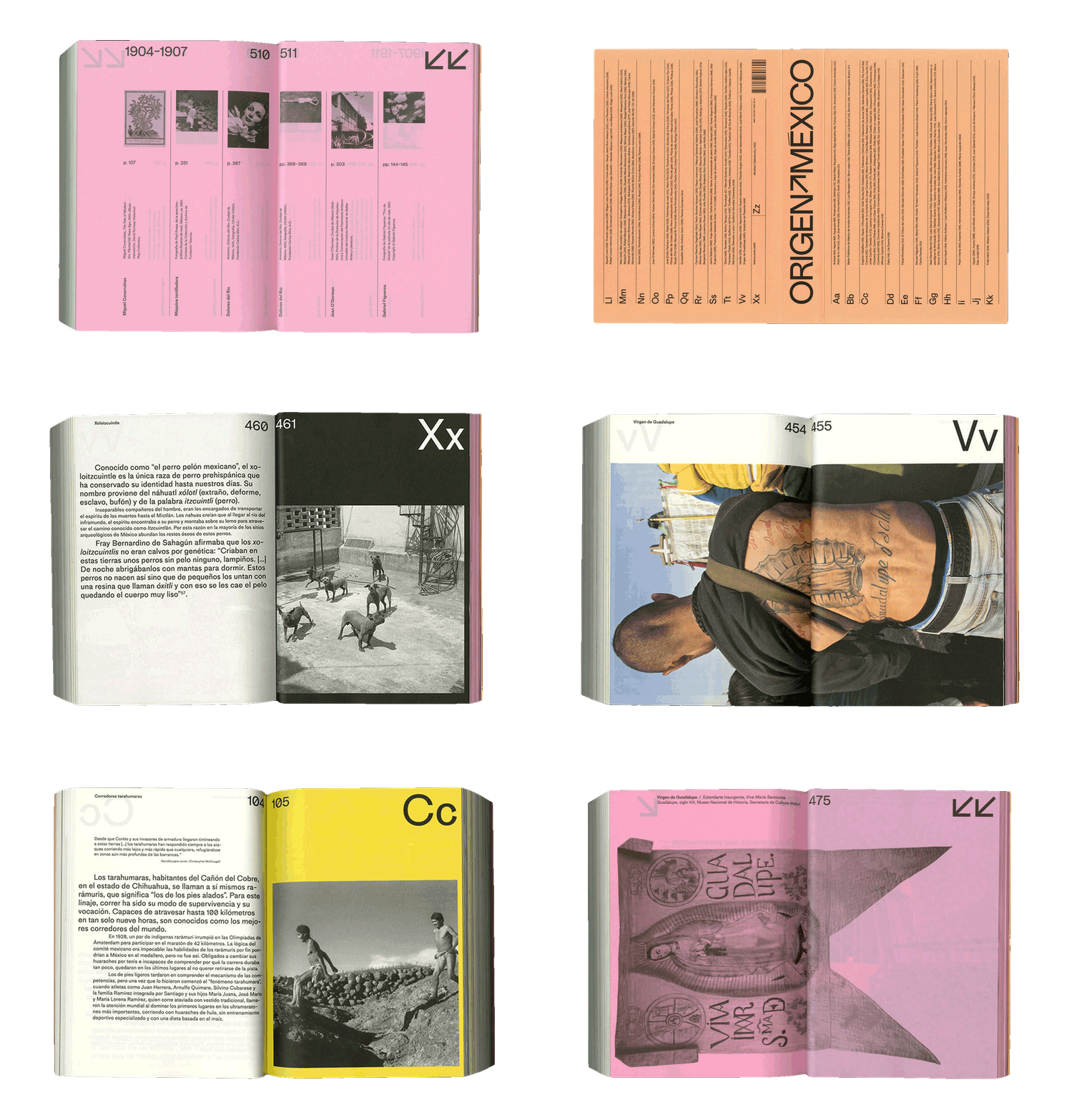
📖 Origen México by Claudia Espinoza García, designed by Blok Design
An encyclopedic collection of cultural reference points for Mexico, layered with love for a full and rich culture. Topics include Luis Barragán, cochinita pibil, el Chavo del ocho, and dahlias, among many others. It sits in my living room and I leaf through it when I want to look at beautiful things.
Some more things worth noticing:
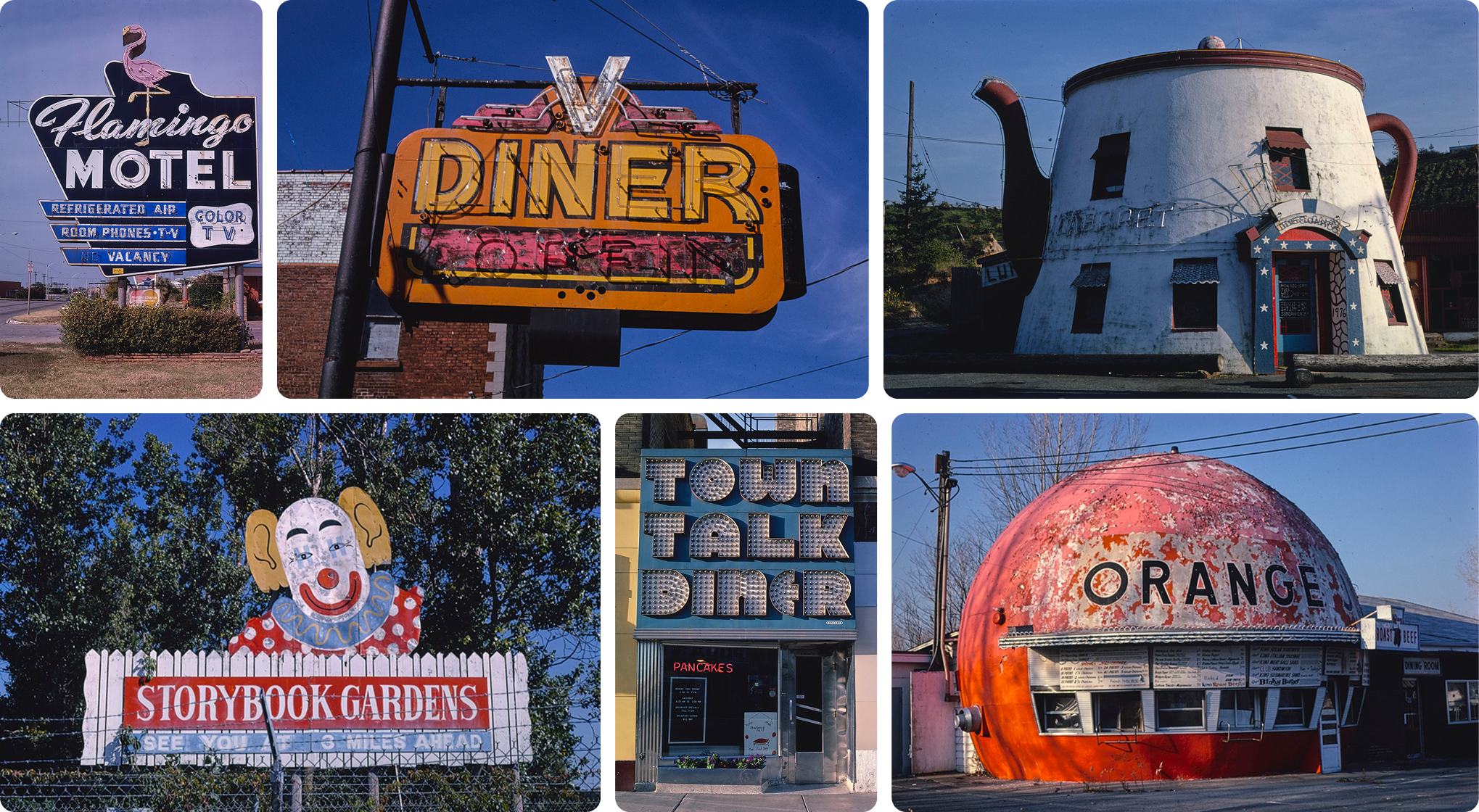
🖼️ Photographs of roadside America by John Margolies
Scroll through the Library of Congress’ collection of John Margolies’ photos of quintessentially American commercial structures from 1969–2008.
“Vernacular roadside and commercial structures spread with the boom of suburbanization and the expansion of paved roads across the United States in the prosperous decades after World War II…In his view, ephemeral and vernacular architecture better told the story of 20th-century America and, just as frequently, expressed the eccentricity and ingenuity of its makers. New building materials and techniques allowed for whimsical design elements that served no structural purpose. Decoration was prominent, but usually coarsely constructed as it was meant to be comprehensible from a distance.”
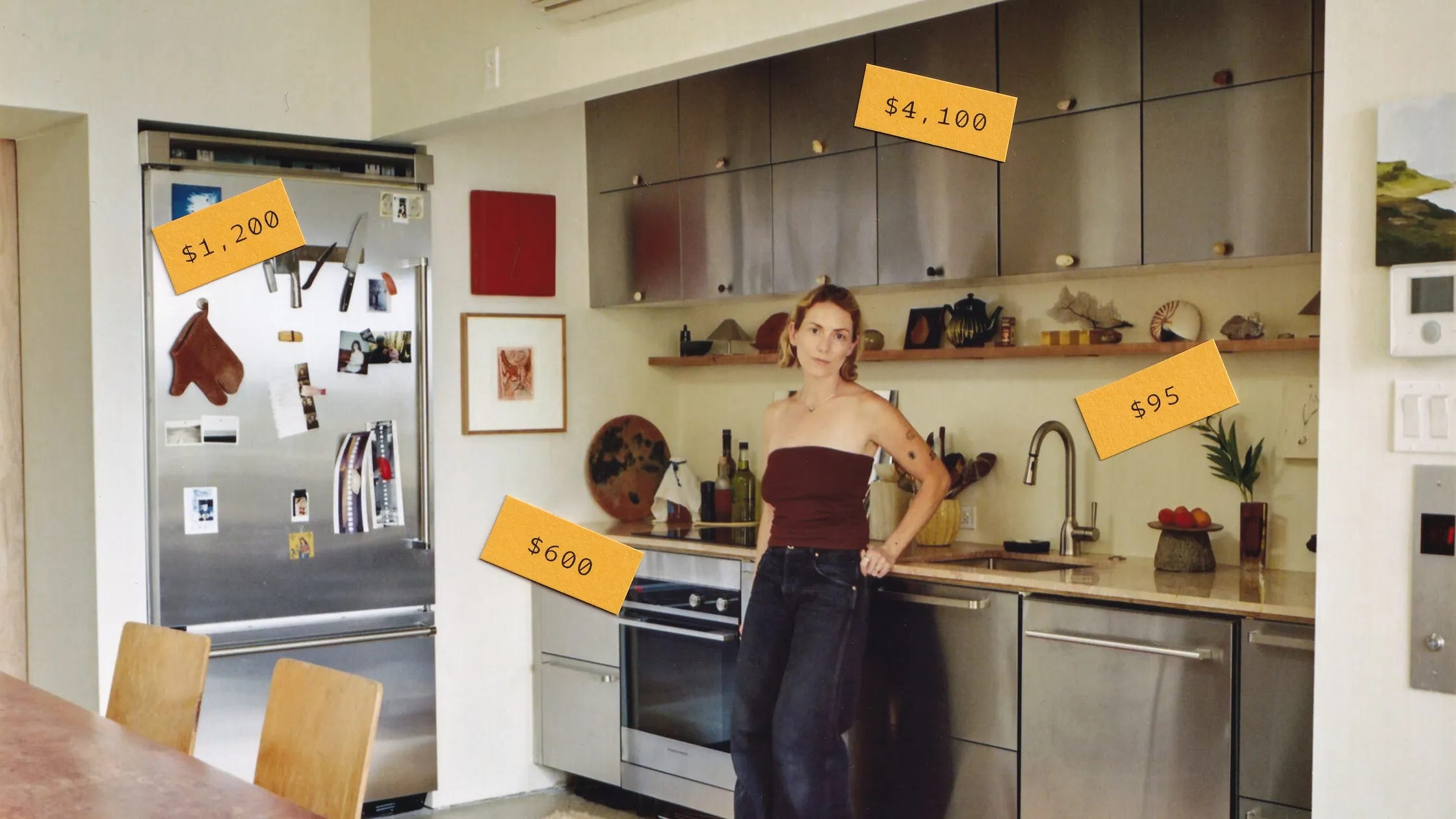
🗞️ Pearl Jones’ $12k renovated Brooklyn kitchen via Architectural Digest
I’ve been following food stylist Pearl Jones’ brutalist inspired kitchen reno over on Instagram for a while now and I loooooved the final result. On a budget too!
🗞️ An interview with Depths of Wikipedia, Annie Rauwerda via Asterisk
A fascinating look into the Wikipedia editor community.
“As to what makes people get sucked in? I think that one shared quality of every single person I've met who has stuck around Wikipedia for a long time is that they have very little hesitation to work hard, and they put a low value on their own time. Maybe they are even willing to waste time. Like, people are very willing to raise concerns and discuss and accept critiques. I also think people tend to care a lot about precise language and about being correct. Some of that comes from the culture of Wikipedia, but I think it's also what predisposes them to edit it in the first place.”
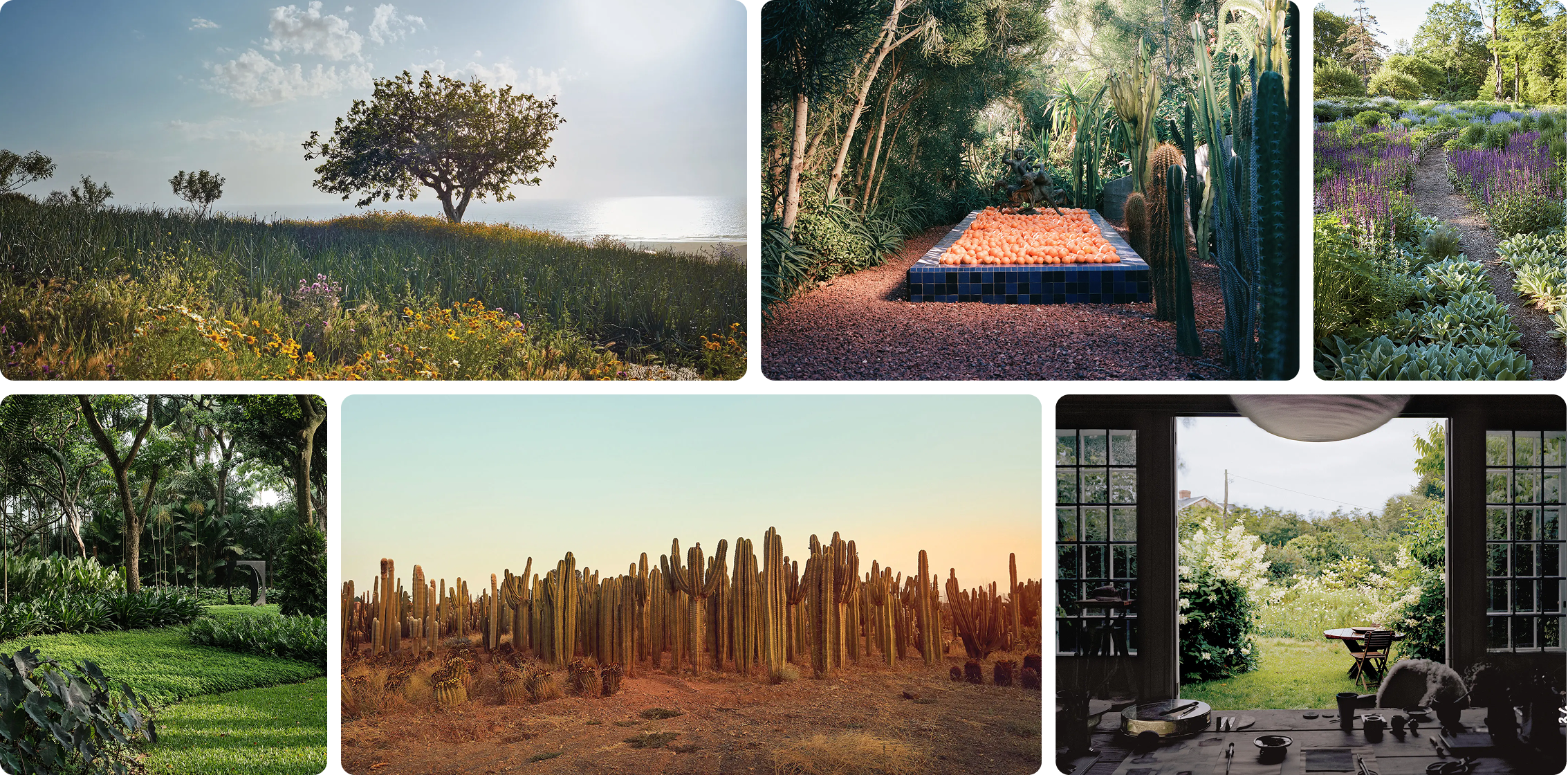
🖼️ The most beautiful gardens via T Magazine
Sending you off with a grounding reminder to touch grass.
In case you missed it:


Thank you for reading.
See you next time. You can expect this newsletter in your inbox on the first and third Monday of the month.
If you’d like to support the newsletter, you can buy me a coffee.
I do apologize for this crazy angle but I am not in my usual setup this week and this was my first go at recording myself!!!
This is all so inspiring! the Origen México book 🫠